



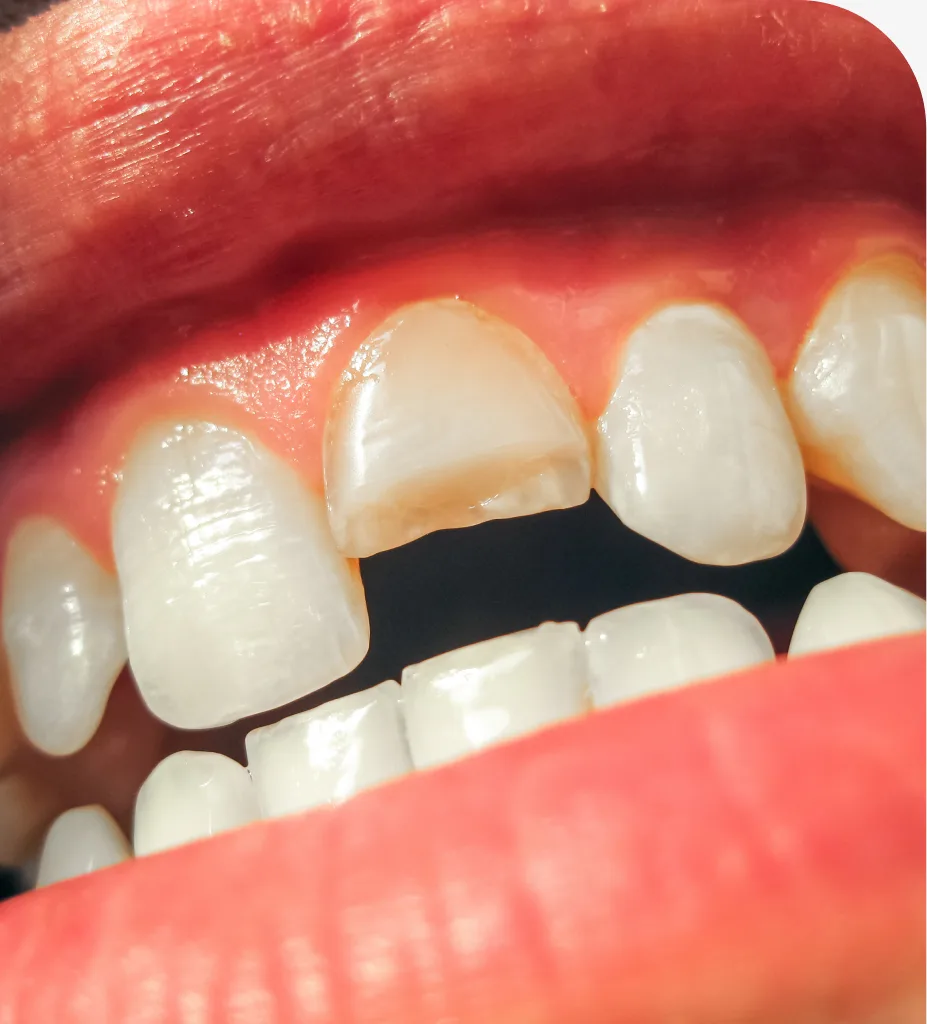
Composite dental fillings in Hyattsville, Maryland, are a conservative, tooth-colored way to repair cavities and small chips. At Centro Dental Las Americas, this treatment restores strength and appearance in one visit while protecting healthy tooth structure. These modern restorations bond to enamel, allowing precise shaping and a natural look that blends with surrounding teeth. Patients often choose this option for front and back teeth because it provides both function and a seamless finish.
Composite Dental Fillings Explained
Composite dental fillings are made from a blend of resin and finely ground glass particles. The material is shaded to match your enamel and is placed directly into a prepared area of the tooth. Because it bonds to the tooth surface, less drilling may be needed compared with some metal fillings. This approach is helpful for treating new cavities, replacing worn or failing restorations, repairing small fractures, and closing minor gaps. When placed correctly, composites create a tight seal that helps protect against future decay and restores comfortable chewing.
Advantages of Tooth-Colored Fillings
- They match your natural tooth color for a discreet, attractive result.
- They bond to enamel and dentin to support remaining tooth structure.
- They often require less removal of healthy tooth compared with metal options.
- They set quickly with a curing light so you leave with a finished restoration.
- They work well for small to medium cavities in front or back teeth.
- They can be repaired or adjusted without replacing the entire filling.
How Composite Dental Fillings Work
- Assessment and shade selection are completed to plan a natural-looking restoration.
- Local anesthesia is used to keep the tooth comfortable during treatment.
- Decay and weakened enamel are removed, and the area is cleaned and dried.
- The tooth is isolated, etched, and treated with a bonding agent to enhance adhesion.
- Composite is placed in thin layers and cured with a special light for strength.
- The filling is shaped, polished, and the bite is checked for a smooth finish.
What to Expect
Most composite dental fillings take about 30 to 60 minutes per tooth, depending on size and location. Numbing wears off in a few hours. It is common to feel mild temperature sensitivity or pressure when chewing for a few days, which usually fades as the tooth settles. You can eat as soon as you are comfortable, though soft foods are easier while numb. Good brushing, flossing, and routine exams help your restoration last. With proper care, many composite fillings last 5 to 10 years or longer.
Understanding Your Filling Options
Composite is a strong choice for many cavities, especially where appearance matters. Amalgam (silver) fillings may be considered for very large cavities under heavy biting forces, though many patients prefer tooth-colored materials. For bigger areas of damage, inlays or onlays fabricated in a lab may provide added durability. Your dentist will recommend the option that best fits the size of the cavity, location, chewing load, and long-term goals.
Related Services
Looking for related care at our Hyattsville, MD dental office? Explore these treatments:
Frequently Asked Questions About Composite Dental Fillings
Most composite fillings last 5 to 10 years, and many last longer with excellent oral hygiene and regular dental checkups. Bite forces, grinding, and cavity size also affect longevity.
Yes. Dental composites have been used for decades and are widely considered safe and effective. The materials are biocompatible and are cured to a hard, stable state during placement.
Composite is stain resistant, but frequent exposure to coffee, tea, red wine, or tobacco can cause surface discoloration over time. Professional cleanings and polishing help maintain color.
Often, yes. If the surrounding tooth is healthy and the size and location are appropriate, an old metal filling may be replaced with a composite restoration. Your dentist will evaluate fit and function.
Local anesthesia is used to keep you comfortable. You may feel vibration or pressure during decay removal, but pain is uncommon. Mild sensitivity after treatment usually improves within days.
Brush twice daily with a fluoride toothpaste, floss once a day, and limit frequent snacking on sugary foods. Wear a nightguard if you grind your teeth to protect both teeth and fillings.